
All Abstracts, Reviews, short articles, Full articles, Posters are welcomed related with any of the following research fields:
This pillar focuses on the composition, structure, and properties of matter, and the changes it undergoes during reactions.
Inorganic & Organic Chemistry:
Synthesis of carbon-based compounds (polymers, hydrocarbons).
Coordination chemistry and transition metals.
Physical & Analytical Chemistry:
Thermodynamics: Energy transfer in chemical systems.
Kinetics: The rate of chemical reactions.
Spectroscopy: Identifying substances using light and radiation.
Materials Science:
Nanotechnology and nanomaterials.
Superconductors and smart materials.
This pillar examines living organisms, their physiological systems, and the molecular foundations of life.
Molecular & Cellular Biology:
Genetics: DNA replication, CRISPR, and synthetic biology.
Cell Signaling: How cells communicate and respond to stimuli.
Microbiology & Immunology:
Pathogen-host interactions (viruses, bacteria).
The human microbiome and its role in health.
Organismal Biology:
Physiology and anatomy of plants and animals.
Evolutionary biology and phylogenetics.
This pillar studies the interaction between physical, chemical, and biological components of the environment.
Ecology & Biodiversity:
Ecosystem dynamics (food webs, trophic levels).
Conservation biology and endangered species management.
Atmospheric & Climate Science:
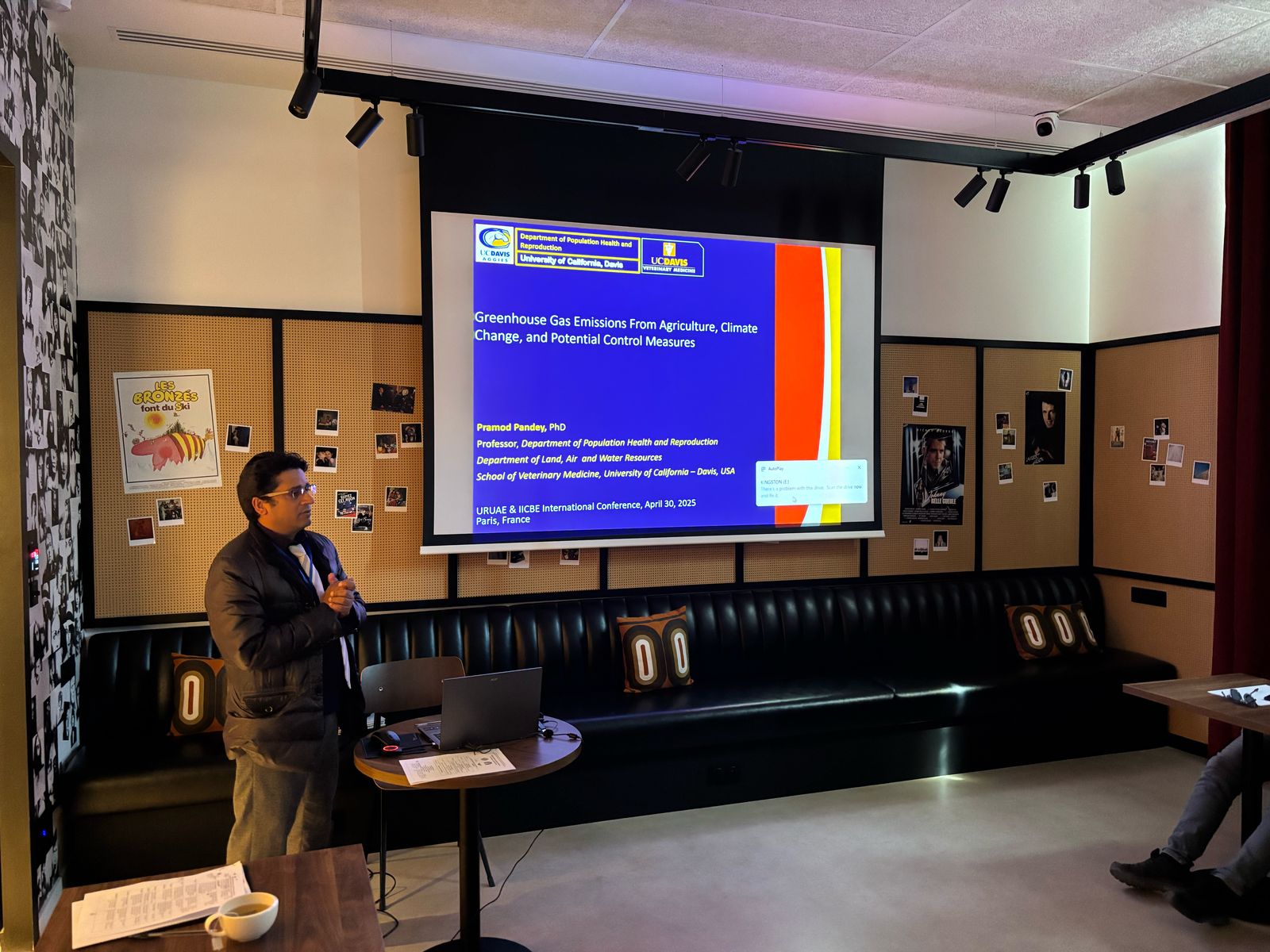
Greenhouse gas dynamics and global warming.
Meteorology and air quality modeling.
Geosciences:
Soil science (pedology) and nutrient cycling.
Hydrology and water resource management.
The most modern breakthroughs happen at the "seams" where these disciplines meet.
Sustainability & Green Chemistry: Designing chemical processes that reduce hazardous substances and environmental footprints.
The Nitrogen & Carbon Cycles: Chemical transformations driven by biological entities that dictate the health of the environment.
Pharmacology: How chemical substances interact with biological systems, often sourced from or released into the environment.








Copyright © 2016 URUAE. All Rights Reserved
Phone: +351920489940, +91 9781001229


